Dominion Parts
Engine maintenance is vital for optimal vehicle performance. Many drivers wonder, "Why is engine maintenance so important?" The answer lies in the engine's role as the heart of a vehicle. Regular maintenance ensures that all components function smoothly, enhancing efficiency and reliability. An engine in good condition leads to improved fuel economy and fewer breakdowns.
Neglect can lead to serious issues. Minor problems escalate into costly repairs if not addressed. For example, a simple oil change can prevent engine sludge buildup. Ignoring this can decrease performance and lifespan. Drivers might overlook this maintenance, thinking it unnecessary. Yet, proactive attention can save time and money in the long run.
Additionally, regular checks can reveal hidden problems early. Mechanics can detect wear and tear before they cause failures. This approach fosters trust in the vehicle's reliability. It’s essential to remember that maintaining an engine reflects a commitment to safe driving and environmental responsibility. Regular maintenance not only ensures functionality but also peace of mind on the road.
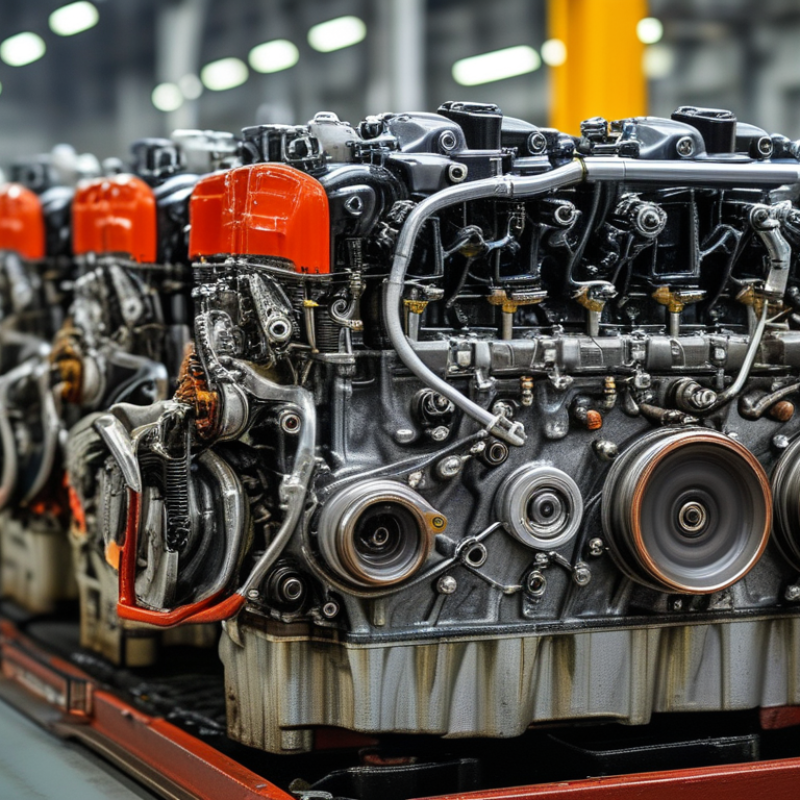
Engine maintenance plays a vital role in ensuring optimal performance. A well-maintained engine can deliver better fuel efficiency and enhanced power output. Regular checks can prevent small issues from escalating into major problems. For instance, monitoring oil levels and changing filters ensures smooth operation.
Small neglects in engine care can lead to significant performance drops. Skipping routine inspections may seem harmless at first. However, this could result in poor engine health over time. Maintaining spark plugs and checking air filters can often make a noticeable difference. Many drivers overlook these details, assuming everything works fine.
Understanding the importance of engine maintenance is crucial. Even minor adjustments can yield significant improvements. It is wise to consult a professional for complex issues. Their expertise can help identify hidden problems. Investing time in engine care pays off in long-term performance and reliability. Embracing this mindset can lead to smoother rides and reduced repair costs.
Engine maintenance is crucial for optimal performance. Key components that impact engine efficiency include oil quality, air filters, and fuel systems. According to industry findings, over 60% of engine failures stem from inadequate lubrication, highlighting the importance of regular oil changes. Quality oil reduces friction and enhances engine life, directly impacting vehicle performance.
Maintaining air filters is equally vital. Clogged filters limit airflow, causing rich fuel mixtures and decreased power. Studies show that a clean air filter can improve engine performance by up to 10%. This simple maintenance step can significantly extend engine lifespan.
**Tips:** Regularly check oil levels and replace oil as recommended by the manufacturer. Ensure air filters are replaced at least once a year. Monitor fuel quality; low-grade fuel can affect combustion efficiency. Small, consistent actions can prevent bigger issues and enhance overall performance.
| Maintenance Component | Impact on Performance | Recommended Frequency | Common Issues |
|---|---|---|---|
| Oil Change | Improves lubrication, reduces wear | Every 5,000 miles | Engine overheating, increased friction |
| Air Filter Replacement | Enhances engine efficiency, increases MPG | Every 15,000 miles | Reduced power, poor fuel economy |
| Spark Plug Replacement | Improves ignition timing, enhances power output | Every 30,000 miles | Rough idling, difficulty starting |
| Timing Belt Inspection | Prevents catastrophic engine failure | Every 60,000 miles | Engine misalignment, stalling |
| Coolant Flush | Prevents overheating and corrosion | Every 2 years | Overheating, engine damage |
Routine engine maintenance is vital for optimal performance. Regular checks can enhance engine life and efficiency. According to a report from the Automotive Research Institute, neglected engines can lose up to 25% of their efficiency within a few years. This statistic highlights the need for proactive care.
Start with regular oil changes. Fresh oil lubricates engine parts, minimizing friction. Neglecting oil changes can lead to sludge buildup, impairing performance. Next, inspect air filters. A clean filter improves airflow, increasing fuel efficiency. Studies show that a clogged air filter can reduce mileage by 10%. Regularly replacing spark plugs is another essential step. Worn plugs can misfire, leading to rough idling and decreased power.
Check the cooling system as well. Overheating can cause severe damage. A well-maintained cooling system prevents unnecessary stress on the engine. The Engine Care Institute recommends a coolant flush every two years. These steps create a solid foundation for engine health but require commitment. Skipping any one of these can lead to costly repairs. Regular maintenance is not optional; it’s essential for performance.
Engine maintenance is crucial for optimal performance. Neglecting this can lead to several common problems. A lack of regular oil changes often results in increased engine wear. Over time, dirty oil clogs filters and reduces lubrication efficiency. This can cause overheating and premature engine failure.
Another prevalent issue is worn-out spark plugs. They are responsible for igniting the air-fuel mixture in the combustion chamber. If ignored, they can lead to misfire cases, causing rough idling and reduced fuel efficiency. This degradation in performance may seem minor at first, but it can escalate quickly.
Cooling system failures also stem from poor upkeep. Neglecting coolant levels allows the engine to overheat, leading to severe damage. Many drivers overlook simple checks, assuming everything is fine. However, regular inspection can prevent costly repairs. Relying on hope rather than action can disguise serious issues until it's too late.
Effective engine maintenance is crucial for optimal performance. A well-maintained engine can improve fuel efficiency by up to 15%, according to industry reports. Regular inspections and timely repairs play a significant role in achieving this. Hence, establishing a routine is essential. Mechanics recommend scheduling service every 5,000 miles or as specified by manufacturer guidelines. However, many vehicle owners overlook these recommendations.
Tracking engine maintenance can be challenging. One useful method involves using maintenance logs or apps to record service dates and mileage. This helps in anticipating the next service and identifying patterns in engine performance. A report from the Automotive Maintenance Association indicates that 30% of vehicles are not properly tracked. Such negligence can lead to larger issues over time.
Additionally, consider the importance of reminders. Setting alerts for service appointments ensures you won't forget routine checks. Surprisingly, 40% of drivers miss scheduled services because they lack reminders. This can lead to unexpected breakdowns, costing both time and money. Effective tracking, combined with discipline in scheduling, ensures that engine maintenance is not just a task, but a commitment to vehicle longevity.
: Engine maintenance ensures optimal performance and longevity. It prevents common failures and enhances efficiency.
Quality oil reduces friction and prolongs engine life. Regular oil changes can prevent over 60% of engine failures.
Oil should be changed as recommended by the manufacturer. Regular checks are essential for maintaining optimal levels.
Clogged air filters limit airflow. This can cause poor fuel mixtures and decrease overall engine power.
A clean air filter can enhance engine performance by up to 10%. It’s a simple yet effective maintenance step.
Worn-out spark plugs can cause engine misfires. This leads to rough idling and decreased fuel efficiency.
Neglecting coolant levels can cause overheating. This may lead to significant engine damage and costly repairs.
Regular maintenance checks, like oil changes and air filter replacements, help catch issues early. Small efforts yield big rewards.
Yes, many drivers overlook routine checks. Ignoring maintenance can hide serious problems until they escalate.
Many drivers rely on hope instead of action. This attitude can lead to expensive repairs and decreased engine lifespan.
Engine maintenance is crucial for optimizing vehicle performance and ensuring longevity. Understanding the importance of engine maintenance reveals that regular checks and servicing can prevent a multitude of issues that could compromise efficiency. Key components of engine maintenance include oil changes, filter replacements, and inspections of belts and hoses, all of which significantly affect performance.
To effectively manage engine care, a step-by-step guide to routine checks can serve as a valuable tool, helping to identify common problems that stem from neglect, such as overheating or decreased fuel efficiency. Moreover, implementing a schedule for maintenance and tracking repairs not only enhances engine reliability but also answers the vital question: "Why is engine maintenance so important?" Ultimately, a proactive approach is essential to maintain optimal performance and prevent costly repairs down the road.
