When it comes to maintaining small engines, understanding how to fix small engine problems at home is essential. According to a report by the Outdoor Power Equipment Institute, the small engine industry generates over $15 billion annually. However, many users struggle with common issues, resulting in costly repairs. Learning to address these problems can save time and money.
Most small engine issues stem from fuel, spark plugs, or filters. In fact, studies show that 70% of small engine failures are related to fuel quality. Knowing how to troubleshoot these areas can empower you. It is crucial to have reliable information and techniques when attempting minor repairs. Yet, many individuals overlook basic maintenance.
Additionally, improper handling can lead to frustration. Beginners often hesitate to dive into repairs. This uncertainty fosters a lack of confidence, but that shouldn’t deter you. With the right guidance and some practice, anyone can learn to fix small engine problems. Embracing a hands-on approach will not only build skills but also provide a sense of accomplishment in doing repairs at home.
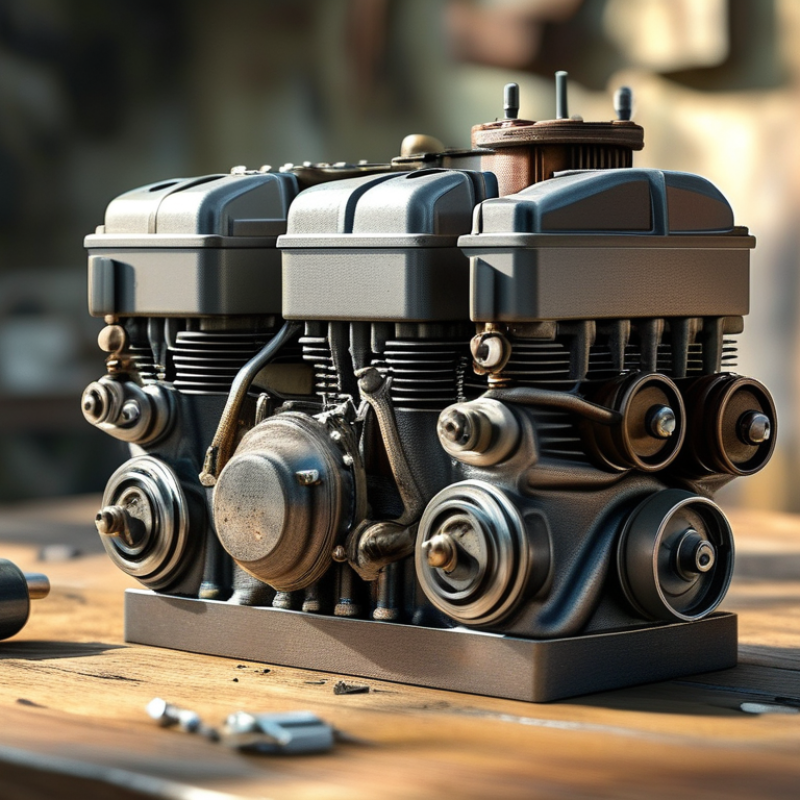
Identifying Common Small Engine Issues at Home
When dealing with small engine problems, it's crucial to identify the issues clearly. Many common problems can stem from improper fuel usage or lack of maintenance. For example, stale fuel can lead to starting difficulties. Ensure the fuel is fresh to avoid this hassle.
Check the spark plug regularly. It can wear out or become dirty over time. A clean, functional spark plug ensures efficient combustion. If the engine misfires, often a simple spark plug replacement can restore functionality.
Keep an eye on the air filter too. A clogged air filter can restrict airflow, causing poor engine performance. Cleaning or replacing the air filter can make a significant difference.
Listening to your engine is also important. Strange noises, like knocking or excessive vibration, can signal underlying issues that need addressing. Checking for loose bolts or damaged parts may save you from more extensive repairs later.
Gathering Necessary Tools for Small Engine Repair
When tackling small engine problems at home, having the right tools is essential. Studies indicate that using proper tools can improve repair efficiency by up to 30%. Start with a reliable toolset. This should include wrenches, screwdrivers, and pliers designed for small engines. Consider a torque wrench, as it helps ensure proper tightening of components.
Safety gear is also critical. Use gloves and goggles to protect yourself from debris and chemical exposure. According to industry sources, around 17% of small engine injuries occur due to lack of protective equipment. Keep a multimeter handy for diagnosing electrical issues. This tool helps you test the ignition system, which is a common source of trouble.
You might overlook some specialized tools, like a compression gauge or an off-the-shelf parts cleaning solution. These can save you time and prevent future problems. It's common for DIY repair enthusiasts to underestimate the need for these items. Reflect on your previous repair attempts. Were there tools you wished you had? Assembling the right toolkit not only eases the process but also enhances your repair confidence.
Step-by-Step Troubleshooting Techniques for Small Engines
Small engine troubleshooting can be daunting. Knowing basic techniques helps demystify the process. Start by gathering your tools: a socket set, screwdriver, and multimeter. Examine the spark plug first. It’s a common culprit for starting issues. If it’s dirty or worn, replace it for better performance.
Next, check the fuel system. Old or contaminated fuel can cause problems. Drain the tank and replace it with fresh fuel. Inspect the fuel lines for cracks or clogs. If the engine still struggles, consider the carburetor. Cleaning it is essential for maintaining optimal fuel flow. Use carburetor cleaner and a soft brush for this task.
For electrical issues, a multimeter can be your best friend. Test connections and replace any corroded wires. Ensure the battery is charged. Sometimes, issues go deeper, requiring further inspection. Taking the time to understand these problems is vital. People often rush tasks, leading to overlooked issues. Slow down and pay attention to the details. Small adjustments can yield better engine health over time.
Performing Basic Maintenance to Prevent Engine Problems
Performing basic maintenance is crucial for preventing small engine problems. Regular checks can save you time and money. Keep an eye on fuel levels. Old or contaminated fuel can lead to starting issues. Replace the fuel if it's been sitting too long. Always use fresh fuel for better performance.
Oil changes are important too. Clean oil keeps engine parts lubricated. Neglecting oil changes can result in wear and tear. Check the oil level frequently. Change the oil based on usage, rather than waiting for a predetermined schedule. Look for signs of leaks. Addressing these issues early can prevent significant damage.
Air filters deserve attention as well. A clogged air filter affects engine efficiency. Clean or replace it regularly. Also, inspect spark plugs for any signs of wear. They ignite the fuel-air mixture. Worn plugs can lead to misfires or poor starting. Lastly, don't ignore the importance of a clean engine. Regularly remove dirt and debris. This helps in assessing potential issues more clearly.
Safety Precautions While Fixing Small Engine Issues
When tackling small engine issues at home, safety should be a top priority. According to the U.S. Consumer Product Safety Commission, nearly 1 million injuries occur annually from small machinery mishaps. Ensure you have proper protective gear, like gloves and eyewear, before digging into repairs. The right equipment can prevent minor accidents from becoming serious injuries.
Be aware of your workspace as well. A cluttered area can lead to trips and falls. Make sure the engine is turned off, and the spark plug is disconnected before starting any work. Carbon monoxide can accumulate during engine repairs, so use ventilation or perform tasks outdoors. Proper lighting is crucial to identify small components easily. A well-lit space minimizes mistakes and promotes precision.
If you face challenges, don't hesitate to reflect on your approach. It’s common to overlook simple mistakes. A survey by the Engine Manufacturer's Association indicates that improper handling contributes to 30% of common engine issues. Always consult manuals or reliable online resources for guidance on proper techniques. Stay patient and learn from your experiences.
FAQS
: Stale fuel and a dirty spark plug are common culprits. Fresh fuel can solve many problems.
Regularly check for dirt or wear. A clean spark plug ensures better combustion and performance.
A clogged air filter restricts airflow, leading to poor performance. Regular cleaning or replacement can help.
Strange noises like knocking indicate potential issues. Investigate for loose bolts or damaged parts.
You’ll need a socket set, screwdriver, and multimeter to start your troubleshooting effectively.
Drain old fuel and replace it with fresh fuel. Ensure fuel lines are free from cracks or clogs.
Use carburetor cleaner and a soft brush. This helps maintain optimal fuel flow to your engine.
Inspect deeper for electrical problems. Test connections and replace corroded wires if necessary.
Rushing through tasks often leads to missed details. Take your time to check every aspect.
Understanding issues helps you address them effectively. Ignoring small problems can lead to larger repairs later.
Conclusion
In this comprehensive guide on how to fix small engine problems at home, readers will learn to identify common issues such as starting difficulties, fuel leaks, and unusual noises. By gathering the necessary tools, including wrenches, screwdrivers, and cleaning supplies, homeowners can effectively address these problems. The article emphasizes step-by-step troubleshooting techniques, offering clear instructions to diagnose and resolve engine issues efficiently.
Furthermore, basic maintenance practices like regular oil changes and air filter cleaning are highlighted to prevent future problems. Safety precautions are also discussed to ensure a safe repair environment, encouraging users to prioritize their well-being while handling engine repairs. With these essential tips, anyone can gain the confidence to tackle small engine issues at home.
 Dominion Parts
