Maintaining a vehicle’s engine is crucial for its longevity. Proper care can significantly reduce wear and damage. Experts in the field, like Dr. John Thompson, an automotive engineer, emphasize, "Regular maintenance is the key to preventing engine wear." Understanding "how to prevent engine wear and damage" is vital for every car owner.
Drivers often overlook routine checks. Neglecting oil changes can lead to significant harm. Every engine requires clean oil to function efficiently. Contaminated oil increases friction, causing parts to wear out. Regular checks on coolant levels are equally important. Overheating often results in serious engine issues that develop gradually.
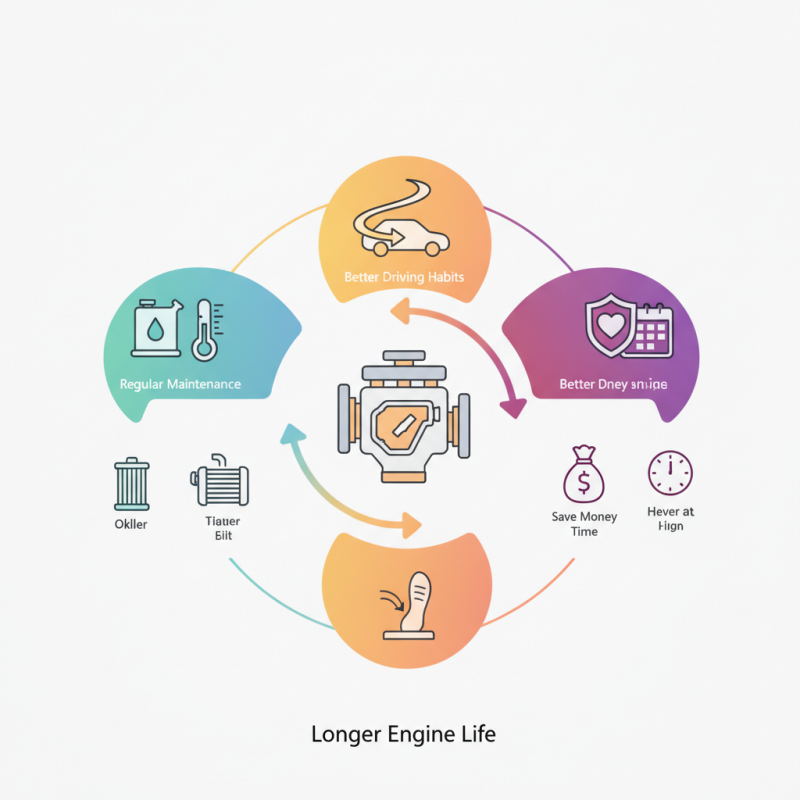
Incorporating better driving habits also plays a role. Sudden acceleration can stress the engine. Smooth driving can extend engine life remarkably. Each driver should reflect on their habits and consider adjustments. Making a conscious effort can save money and time in the long run. Prioritizing these steps will create a loyal and lasting relationship with your vehicle.
Understanding Engine Wear and Damage: Key Factors
Engine wear and damage can significantly shorten the life of your vehicle. Understanding the key factors is vital for prevention. Friction is a primary cause of wear. When metal parts rub against each other, tiny particles can form. These particles lead to scratches and micro-abrasions. Over time, this can reduce engine efficiency. Proper lubrication is crucial. Low oil levels or degraded oil can exacerbate the issue.
Temperature fluctuations also contribute to wear. Engines generate heat during operation. Without effective cooling, components can warp. Regular coolant checks can prevent overheating. Additionally, contaminants in oil, like dirt and debris, worsen engine performance. Changing filters frequently may help mitigate this risk.
Driving habits play a significant role in engine longevity. Frequent short trips do not allow the engine to reach optimal temperatures. This can encourage moisture buildup and promote rust. Regular maintenance is essential, yet many overlook it. Engine wear is inevitable over time, but awareness and proactive care can extend its lifespan. Understanding these factors allows for better decisions, contributing to a healthier engine and fewer repairs.
Preventing Engine Wear and Damage for Longer Life
Regular Maintenance Practices for Engine Longevity
Regular maintenance is crucial for your engine's health. Changing the oil on time is one key practice. Fresh oil helps reduce friction between engine parts. It also removes harmful debris. Ignoring oil changes can lead to increased wear and potential engine failure.
Another important task is checking fluid levels. This includes coolant and transmission fluid. Low levels can cause overheating and lead to severe damage. Regularly inspecting belts and hoses is also essential. Worn or cracked components can lead to leaks or breakage.
Paid attention to noise or vibrations during operation, as they may indicate underlying issues. Practicing preventive maintenance can seem tedious. Life often gets busy. Nonetheless, it’s the small routines that save money in the long run.
Setting reminders for routine checks helps. Even simple tasks, like cleaning filters, can significantly enhance engine life. Don’t overlook the importance of these practices. They are fundamental in extending your engine’s reliability and efficiency.
Choosing the Right Engine Oil and Lubricants
Choosing the right engine oil and lubricants is crucial for engine longevity.
Engine oil reduces friction and wear. It prevents overheating, sludge buildup, and corrosion.
Selecting the correct viscosity ensures proper lubrication at various temperatures. High temperatures can thin the oil,
while cold conditions can thicken it. Always check the manufacturer's specifications for recommendations.
Synthetic oils often outperform conventional oils. They offer better temperature stability and protection.
However, some drivers may hesitate to switch due to perceived costs. It’s important to consider long-term savings on repairs.
Moreover, regularly changing your oil is essential. Neglecting this can lead to engine damage over time.
Keep an eye on oil levels and quality. Dark, gritty oil signifies it’s time for a change. Regular inspections and maintenance
can identify issues early. Some may overlook this step, leading to costly repairs.
Understanding the unique needs of your engine can help prevent unnecessary wear and tear.
Monitoring Engine Temperature and Cooling Systems
Monitoring engine temperature and maintaining cooling systems are crucial for a vehicle's longevity. Excess heat is the enemy of any engine. When temperatures rise beyond safe limits, engine components can warp or fail.
Regularly checking the coolant levels is vital. A low coolant level could indicate leaks or other issues.
Also, be mindful of your vehicle's temperature gauge. A spike in readings should prompt immediate action. Ignoring such warnings can lead to costly damage. Make it a habit to inspect hoses and connections for wear. A cracked hose can lead to coolant loss. Replacing damaged parts early can save you from expensive repairs down the line.
Another common oversight is neglecting the radiator. A clean radiator allows proper heat dissipation. A buildup of dirt can hinder this process. Regular cleaning or flushing the radiator can prevent overheating. These small maintenance tasks are often forgotten but make a big difference. Stay proactive to ensure your engine remains healthy and efficient.
Driving Habits to Minimize Engine Stress and Wear
Driving habits play a crucial role in minimizing engine stress and wear. Rapid acceleration and excessive speeding can lead to significant engine strain. According to a study by the Society of Automotive Engineers, aggressive driving can reduce engine life by up to 30%. Smooth acceleration and gradual deceleration are beneficial. These practices help maintain optimal engine temperatures and pressure levels.
Frequent short trips can also increase wear and tear. Engines take time to reach their ideal operating temperature, and multiple short journeys prevent this. Research indicates that engines running below optimal temperatures suffer from increased wear. Consider planning longer trips to help your engine warm up properly.
Regular maintenance checks are often overlooked. Drivers sometimes delay oil changes or neglect to check fluid levels. According to the American Automobile Association (AAA), 35% of motorists do not perform regular maintenance. This oversight leads to a buildup of sludge and decreased engine efficiency. Even with careful driving, neglecting maintenance can result in premature engine failure.
How to Prevent Engine Wear and Damage for Longer Life? - Driving Habits to Minimize Engine Stress and Wear
| Driving Habit |
Impact on Engine |
Recommended Action |
| Frequent short trips |
Increases engine wear due to insufficient warm-up |
Combine trips and allow the engine to warm up |
| Aggressive acceleration and braking |
Increases stress on engine components |
Accelerate and brake smoothly |
| Overloading the vehicle |
Causes excessive strain and overheating |
Adhere to load capacity guidelines |
| Neglecting maintenance |
Leads to poor engine performance and lifespan |
Follow manufacturer maintenance schedule |
| Operating at low RPMs |
Increased wear and potential carbon build-up |
Keep RPMs in the optimal range |
FAQS
: Friction between metal parts is a primary cause. It creates tiny particles that lead to scratches.
Proper lubrication reduces friction and wear. Low or degraded oil can worsen engine performance.
Excessive heat can warp engine components. Regular coolant checks can help prevent overheating.
Frequent short trips prevent optimal temperatures. This can lead to moisture buildup and rust.
Check oil levels and quality frequently. Dark, gritty oil often means it's time for a change.
Many drivers overlook maintenance, which can lead to costly repairs. Proactive care extends engine life.
Regularly check the temperature gauge. A sudden spike should be addressed immediately to prevent damage.
A clean radiator is crucial for heat dissipation. Dirt buildup can hinder its effectiveness significantly.
Dirt and debris in oil can worsen engine function. Changing filters frequently helps mitigate this risk.
A low coolant level often indicates a leak. Inspect hoses and connections to identify and fix the issue early.
Conclusion
In the quest for vehicle longevity, understanding how to prevent engine wear and damage becomes crucial. Key factors contributing to engine degradation include inadequate lubrication, overheating, and poor maintenance routines. Regular maintenance practices, such as timely oil changes and filter replacements, are essential for ensuring engine health.
Choosing the right engine oil and lubricants tailored to your vehicle's specifications significantly reduces friction and wear. Additionally, monitoring engine temperature and cooling systems can help prevent overheating, which is a leading cause of damage. Finally, adopting driving habits that minimize engine stress—such as avoiding rapid acceleration and hard braking—can greatly extend the life of your engine. By adhering to these guidelines, car owners can ensure their engines remain efficient and durable over time.
 Dominion Parts
